


 ENFORCE
It can stop the phone, not just record it.
A camera records distracted driving after it happens. ENFORCE runs on the phone, so your policy decides what stays on while the vehicle is moving: navigation and hands-free calls if you allow them; everything else waits until the vehicle is parked. Automatic, every trip, with nothing asked of the driver.
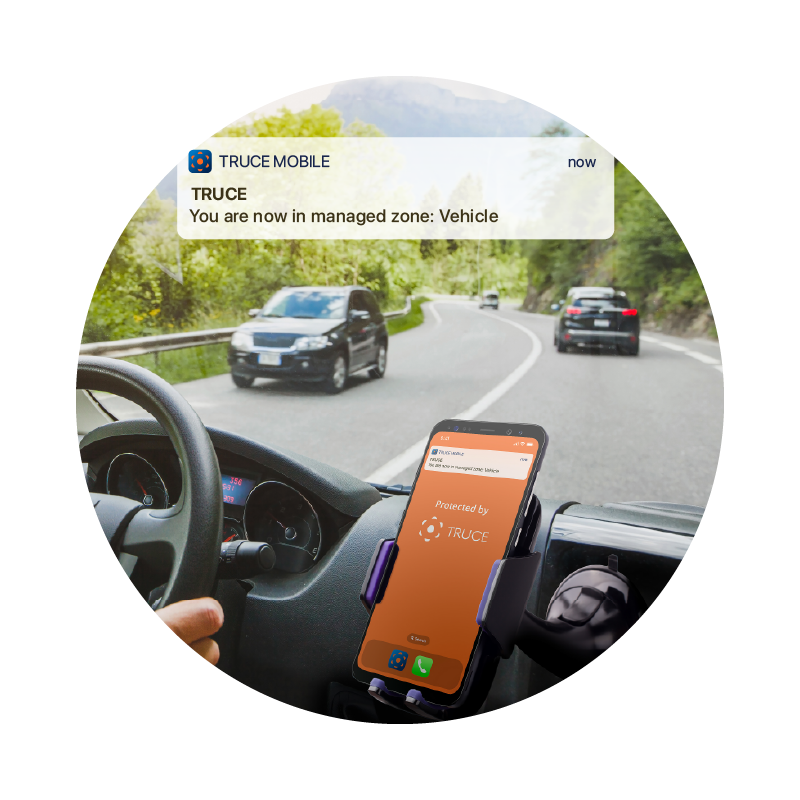
The Challenge
Devices are designed to distract, driving is especially vulnerable
Smartphones are engineered to hijack attention, and driving is uniquely exposed. Habit, social pressure, and false confidence overwhelm good intentions, while even brief interactions degrade reaction time. Distracted driving isn’t a discipline problem; it’s a technology problem that demands prevention by design, not self-control.

Devices are designed to hijack attention
Smart devices use behavioral design, notifications and reward loops, that automatically pull attention and override focus while driving.

People overestimate their ability to multitask
Most people believe they can safely glance or respond, underestimating the cognitive impact of device distraction.

Device use while driving is habitual and normalized
Checking a device is reflexive, reinforced by social expectations and widespread acceptance of risky behavior.
ENFORCE
TRUCE Enforce prevents mobile devices from drawing attention away from driving. It is an engineering control: instead of monitoring or alerting after the fact, it applies your company policy automatically while the vehicle is moving, with nothing asked of the driver and no supervisor watching.
Core Features
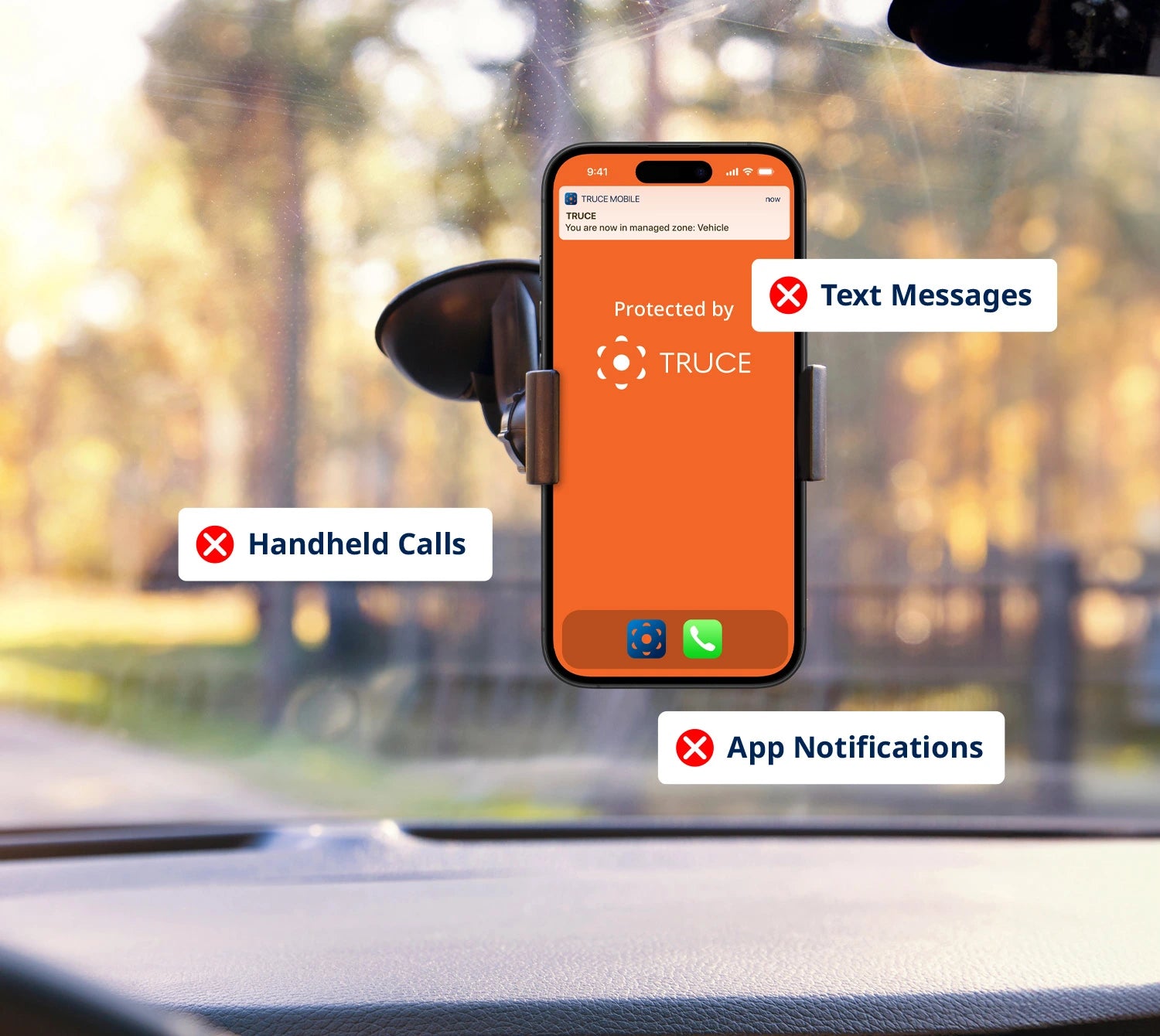
Your policy is applied the moment the vehicle moves. Drivers stay focused without risking a policy violation or unsafe phone use, free from pressure to reply to texts or calls: TRUCE can auto-respond, keeping attention on the road.
No decision to make at 55 mph. Nothing buzzes, nothing lights up, nothing is waiting to be dealt with. The driver's attention stays on one thing.
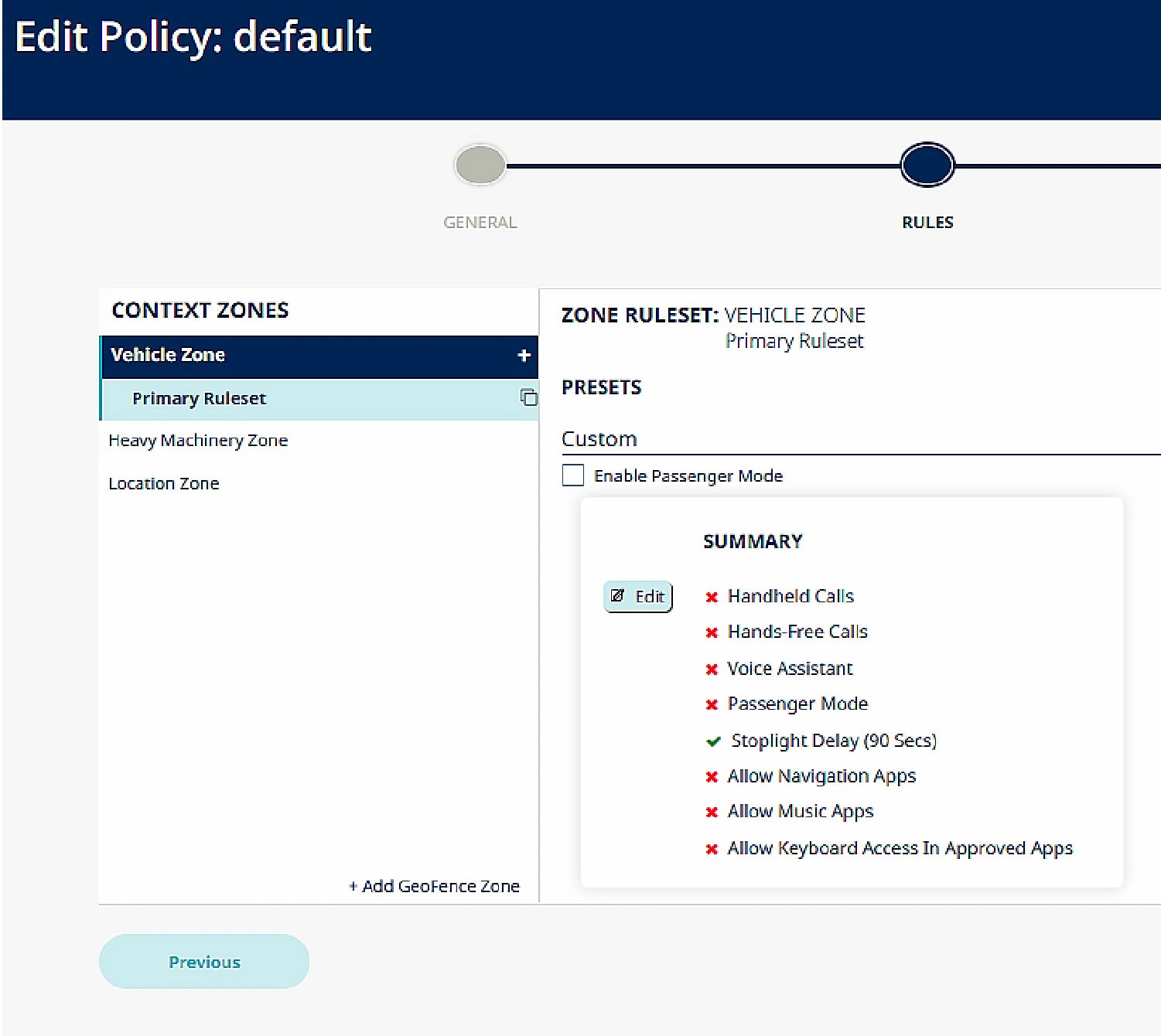
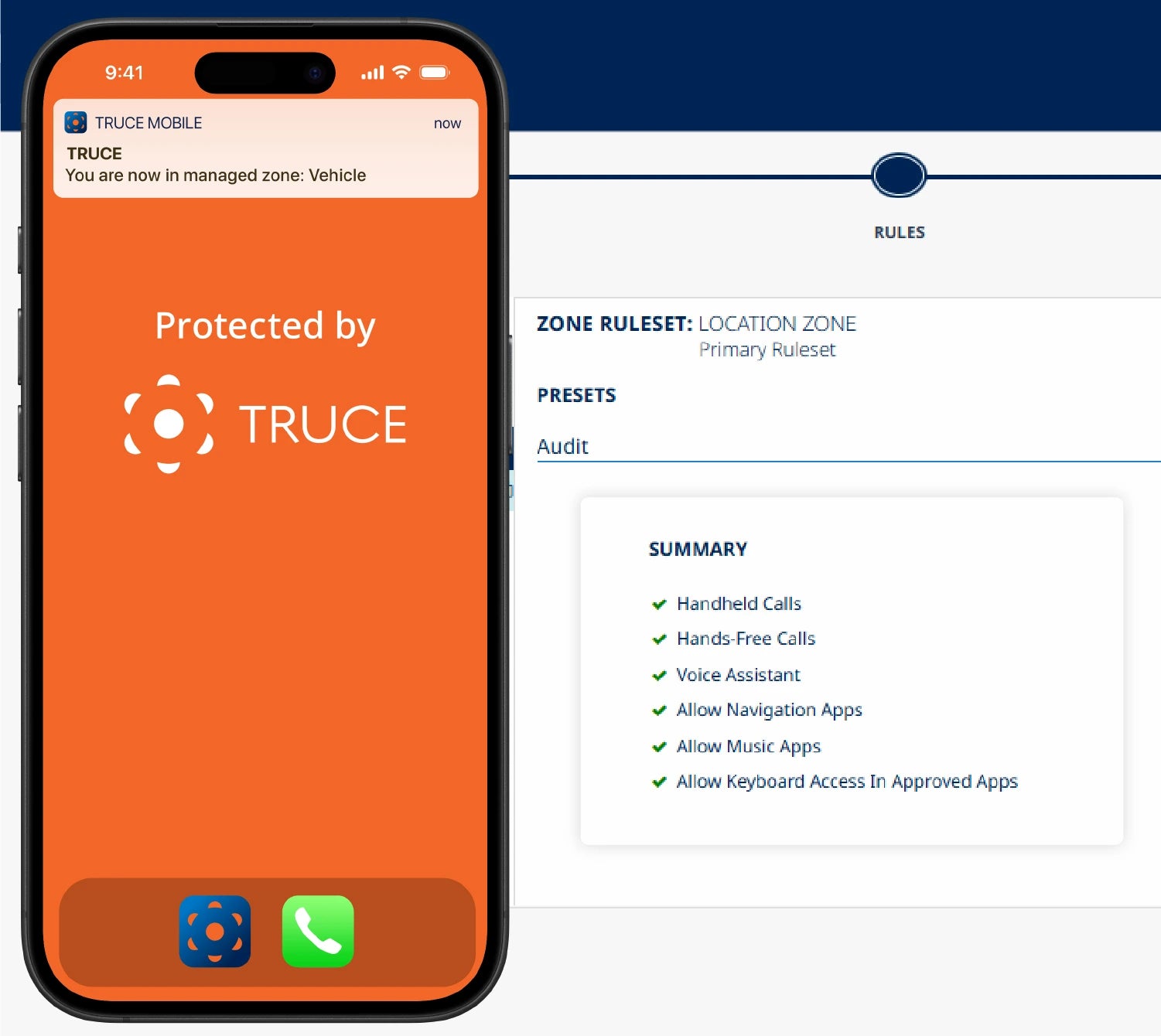
Policies are set by role, workgroup and vehicle. Navigation and hands-free calls stay on if you allow them; texts, social, video and anything else you name wait until the vehicle is parked. Most fleets start with notifications only and tighten from there.
A small beacon in the vehicle tells the app which vehicle this is. When the vehicle moves, the policy is on. When the driver walks away, it is off. Nothing to remember and nothing to switch.

Core Features
Automatically enforces device rules for all employees, reducing the need for manual monitoring or disciplinary action while supporting hardworking teams who stay connected.
Protects the company and employees from crashes caused by unsafe device use, while demonstrating policy enforcement to reduce legal risk and financial exposure.
Supervisors can use communication channels freely, while employees access devices only when safe from distraction risk, helping maintain efficiency and reduce unintended distractions.
Supervisors gain confidence field teams follow device policies without constant oversight. Eliminating device distractions lets coaching focus on broader safety and road performance goals.
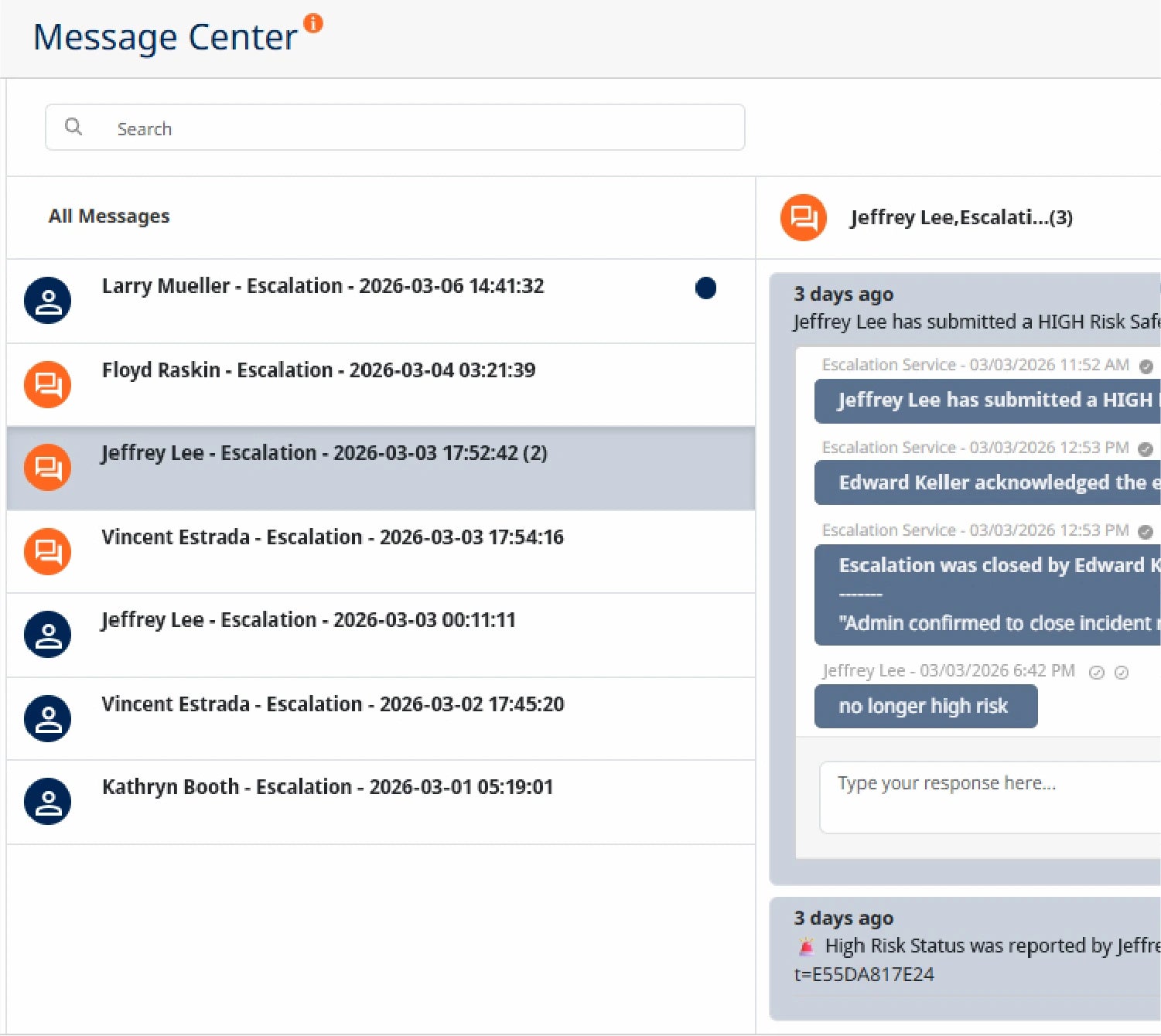
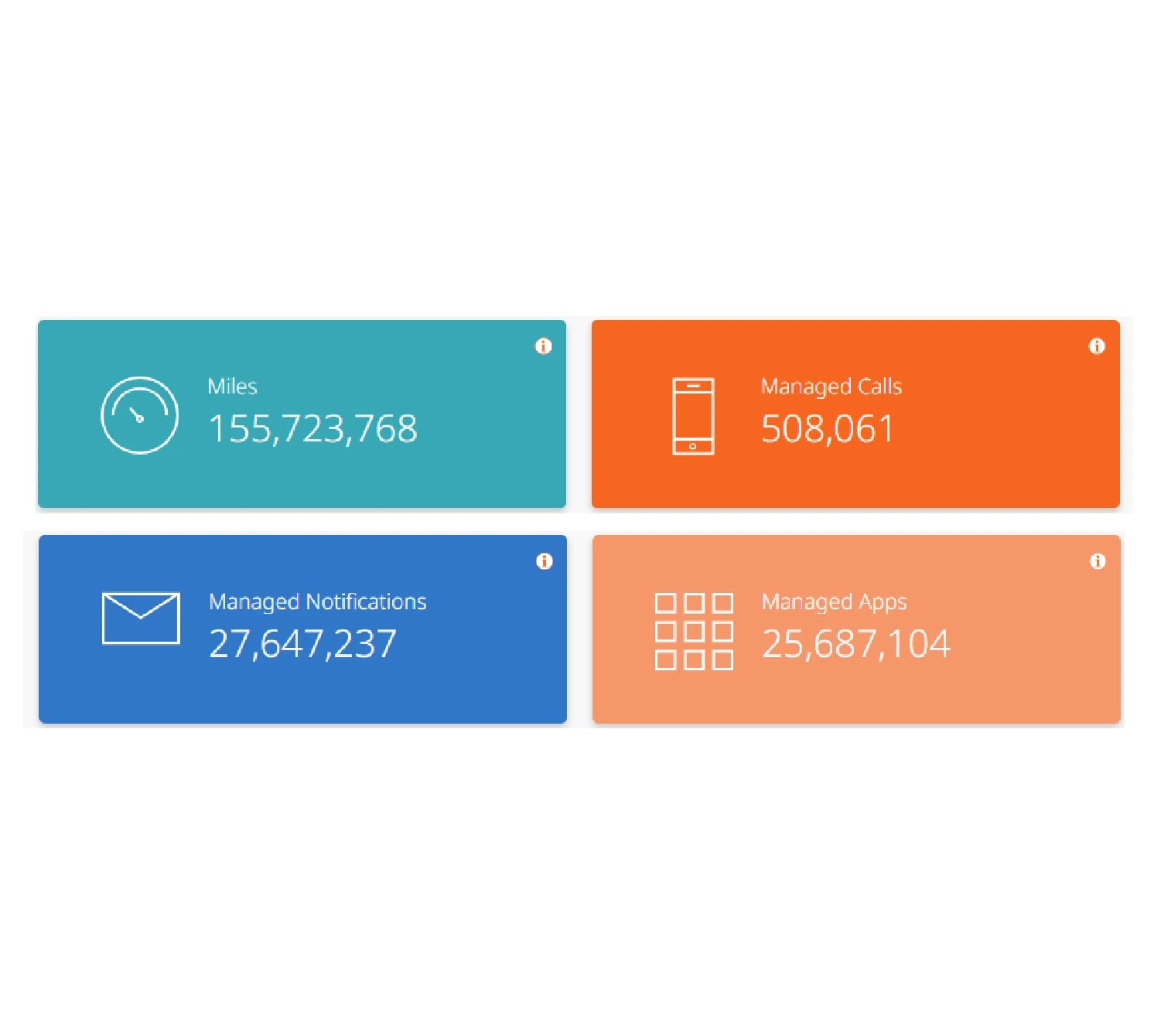
Part of one platform
Everything the other platforms do. Plus what they can't. About half the cost.
ENFORCE stands on its own, priced on its own. Add the rest when it earns it. Cameras, GPS on the road and the job site, driver scoring, coaching, vehicle diagnostics: one platform, one map, one bill.



FREQUENTLY ASKED QUESTIONS
Everything You Need To Know
While the vehicle is in motion, ENFORCE suppresses the apps and notifications your policy does not allow, on iOS and Android. Nothing is asked of the driver and no supervisor has to police it. Supervisors can see that the policy is in force without reading anyone's messages.
Yes. Organizations can configure device policies based on role, location, workgroup, or driving conditions. This ensures employees maintain productivity while eliminating unnecessary and unsafe mobile distractions.
A camera records distracted driving after it happens. ENFORCE prevents it. While the vehicle is moving, your policy decides which apps work, automatically, so there is no event to record, no alert to chase and no report to file.
It runs on the phone itself, on iOS and Android, so it can decide which apps work while the vehicle is moving rather than just detecting that a phone was used. It needs nothing from the driver, works with or without an MDM, and supports company and personal devices.
Yes. TRUCE has a patented passenger mode: a passenger can switch to it from anywhere except the driver's seat, so the policy cannot be dodged by the person actually driving.
Yes. ENFORCE is an engineering control. Native iOS and Android driving modes are user-controlled and easily disabled, offer no administrative enforcement, restrict only notifications (not specific apps), provide no compliance reporting, and cannot verify driver-seat status, which makes them opt-in personal tools rather than enforceable company policy.
No. ENFORCE applies company mobile-device policy automatically when a vehicle is in motion. It requires no employee interaction, protecting both drivers and the organization from unnecessary audio and visual distractions while driving.
Yes, ENFORCE extends MDM by adding real-time context, such as movement or activity, to device controls. While MDM determines which applications are visible or audible, TRUCE dynamically enables or suppresses those applications based on employee context, protecting workers from unnecessary distractions during high-risk activities.
Yes. TRUCE is not about shutting devices off; it is about removing unnecessary audible and/or visual distraction. Flexible policies can enable the tools employees genuinely need while driving, such as navigation or hands-free calling, while suppressing the apps and notifications that pull attention from the road, all configurable by role, location, or workgroup.
Prove it first
Run TRUCE on one of your own vehicles. Free.
Before you spend a dollar, run it on one of your own vehicles for 30 days, alongside whatever you use today. Judge it on your own trips, your own drivers, your own invoice.
- 30 days on your vehicle, free. Love it? It stays. Not a fit? Send it back and we cover the label.
- No card. No contract. Nothing to cancel.
- No wiring. Your crew installs it in minutes.
Every quote comes with the option of a free 30-day demo, hardware included. Just ask for it when your number arrives.