

For decades, fleet safety programs have centered on one goal: identify unsafe behavior and correct it after it happens. Speeding reports, harsh braking alerts, policy violations, and coaching sessions all play an important role, but they're reactive by nature.
The fleets seeing the greatest improvements today are taking a different approach. Instead of waiting for mistakes, they're investing in tools that help drivers build better habits every day. The result is improved driver performance, stronger engagement, fewer incidents, and a culture where accountability starts with the employee.
Driver Performance Starts Before an Incident
Traditional safety programs rely on exception reporting. A driver exceeds the speed limit, uses a phone while driving, or triggers another policy violation. The event is reviewed later, and a manager follows up with coaching or corrective action.
While that process has value, it only addresses behavior after risk has already occurred.
High-performing fleets focus on preventing risky decisions before they become incidents. By giving employees visibility into their own performance, organizations create opportunities for continuous improvement instead of occasional correction.
Give Drivers Visibility Into Their Performance
Most employees want to do a good job. They simply need timely feedback.
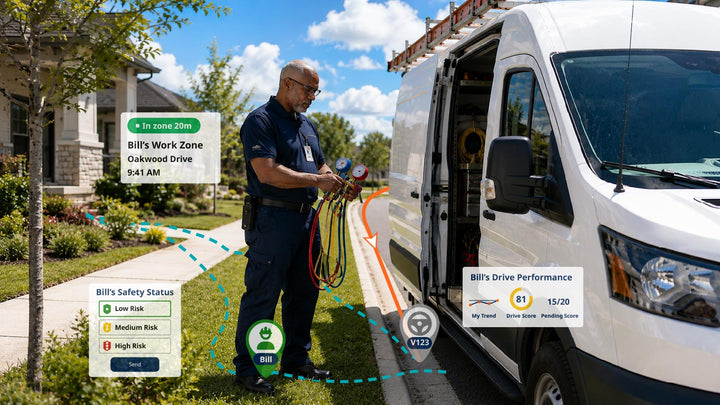
When drivers can see their own driver scores, trends, and progress, they become active participants in improving safety instead of passive recipients of coaching.
Performance data helps drivers understand:
-
Where they're improving
-
Which habits need attention
-
How small changes affect overall performance
-
How they're progressing toward personal and team goals
Instead of asking, "What did I do wrong?" employees begin asking, "How can I improve?"
That shift in mindset creates lasting behavioral change.
Real-Time Coaching Beats End-of-Week Reports
Weekly reports are useful for managers, but they don't help drivers in the moment.
Modern fleet safety platforms provide real-time insights that help employees recognize risky behaviors while habits are still forming. Personalized AI coaching reinforces positive driving behaviors, helping drivers improve through continuous feedback rather than occasional intervention.
The sooner employees receive meaningful feedback, the easier it becomes to build safer driving habits.
Better Data Creates Better Conversations
Technology should strengthen the relationship between managers and employees, not replace it.
When organizations combine telematics with meaningful driver performance insights, supervisors spend less time sorting through exception reports and more time coaching employees who need support.
Instead of conversations that begin with "Here's what you did wrong," managers can recognize improvement, celebrate progress, and help drivers continue developing their skills.
That's a much stronger foundation for a positive safety culture.
Prevention Is More Powerful Than Detection
Knowing a distraction occurred is valuable.
Preventing it is even better.
Technology that combines distracted driving prevention with AI video gives organizations both proactive protection and meaningful visibility into what happens on the road.
Together, these capabilities help reduce risk while giving managers the information they need to coach effectively and recognize positive performance.
Employee Engagement Is a Safety Strategy
The strongest safety cultures aren't built through fear of getting caught.
They're built by giving employees ownership of their own success.
When drivers understand how they're performing, receive timely coaching, and can measure their progress, safety becomes something they participate in instead of something that's enforced upon them.
Employees who feel supported are more engaged. Engaged employees make better decisions. Better decisions lead to stronger driver performance, fewer incidents, and lower operating costs.
Building a Higher-Performing Fleet
Fleet safety is no longer just about identifying problems after they occur.
It's about helping employees succeed before those problems happen.
Organizations that invest in visibility, coaching, and prevention create safer drivers, stronger teams, and better business outcomes. By shifting from reactive enforcement to continuous driver development, fleet leaders can build a culture where safety and performance improve together.
If you're looking for ways to improve driver performance across your fleet, explore how TRUCE combines driver scoring, AI coaching, telematics, AI video, and distracted driving prevention to help employees perform at their best every day.
Ready to improve driver safety?
See how TRUCE helps organizations reduce distracted driving, improve driver performance, and build a safer, more accountable mobile workforce.
Talk to an Expert