
Extend takes telematics beyond the vehicle, automatically transitioning to jobsite recognition at the end of each trip. It delivers real-time worker location visibility, location-based communication, and incident escalation—keeping teams visible, connected, protected, and productive after the drive ends.
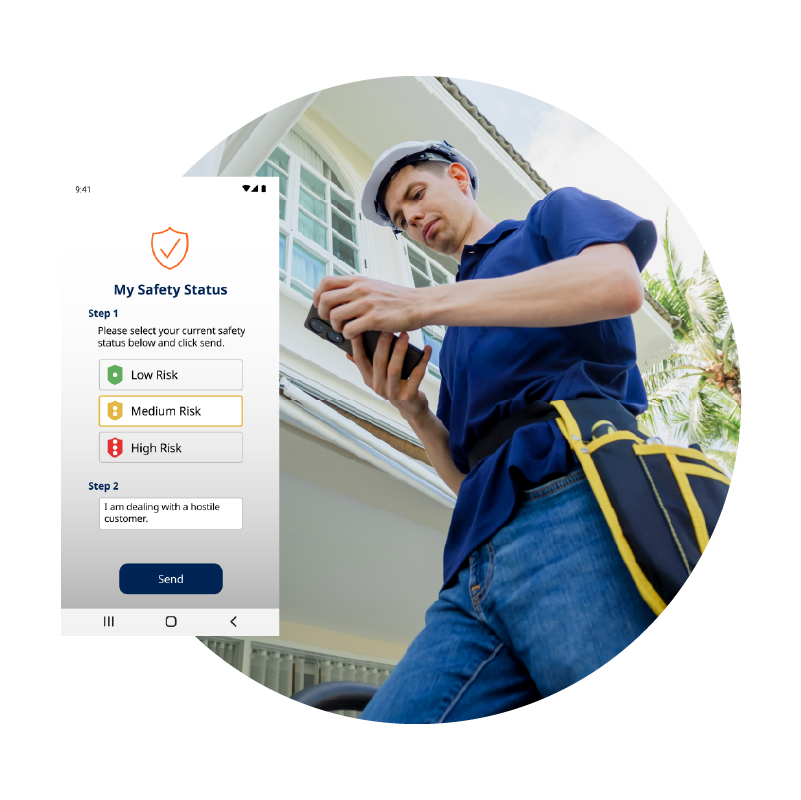
Without real-time, people-centric insight, field organizations struggle to know who is where, what they’re doing, and how to respond quickly once a vehicle trip ends and employees are on the jobsite. This gap limits decision-making, employee location visibility, communication, and incident management—especially for lone workers.
Organizations don’t know who is on-site or where employees are once vehicles stop.
Communication isn’t targeted, arrives at the wrong time, and lacks worker context, urgency control, and records.
Vehicle-only GPS creates false security—lone workers may be unprotected, weakening duty of care and increasing risk.
Without real-time, people-centric insight, field organizations struggle to know who is where, what they’re doing, and how to respond quickly once a vehicle trip ends and employees are on the jobsite. This gap limits decision-making, employee location visibility, communication, and incident management—especially for lone workers.
Organizations don’t know who is on-site or where employees are once vehicles stop.
Communication isn’t targeted, arrives at the wrong time, and lacks worker context, urgency control, and records.
Vehicle-only GPS creates false security—lone workers may be unprotected, weakening duty of care and increasing risk.
Extend automatically creates jobsite sessions when the vehicle stops, provides live visibility of field employees on location, and enables location-based messaging, escalation, and incident management capability. By connecting supervisors and teams with the locational context they need, whether driving or working, organizations have continuous, people-centric insight.
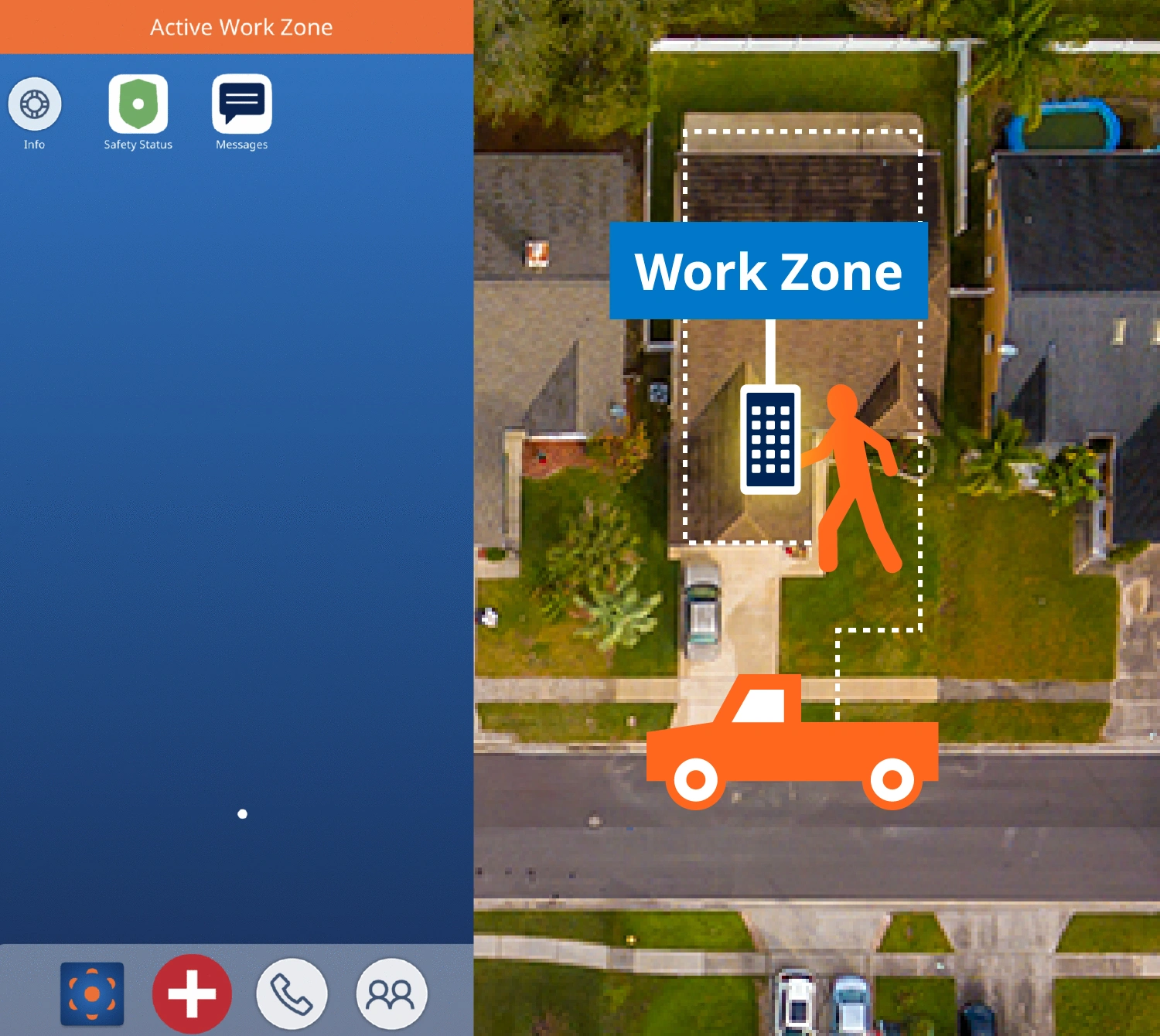
Extend automatically starts a job-site session on arrival, continuously tracking onsite location and activity to maintain a real-time and historical worksite timeline.
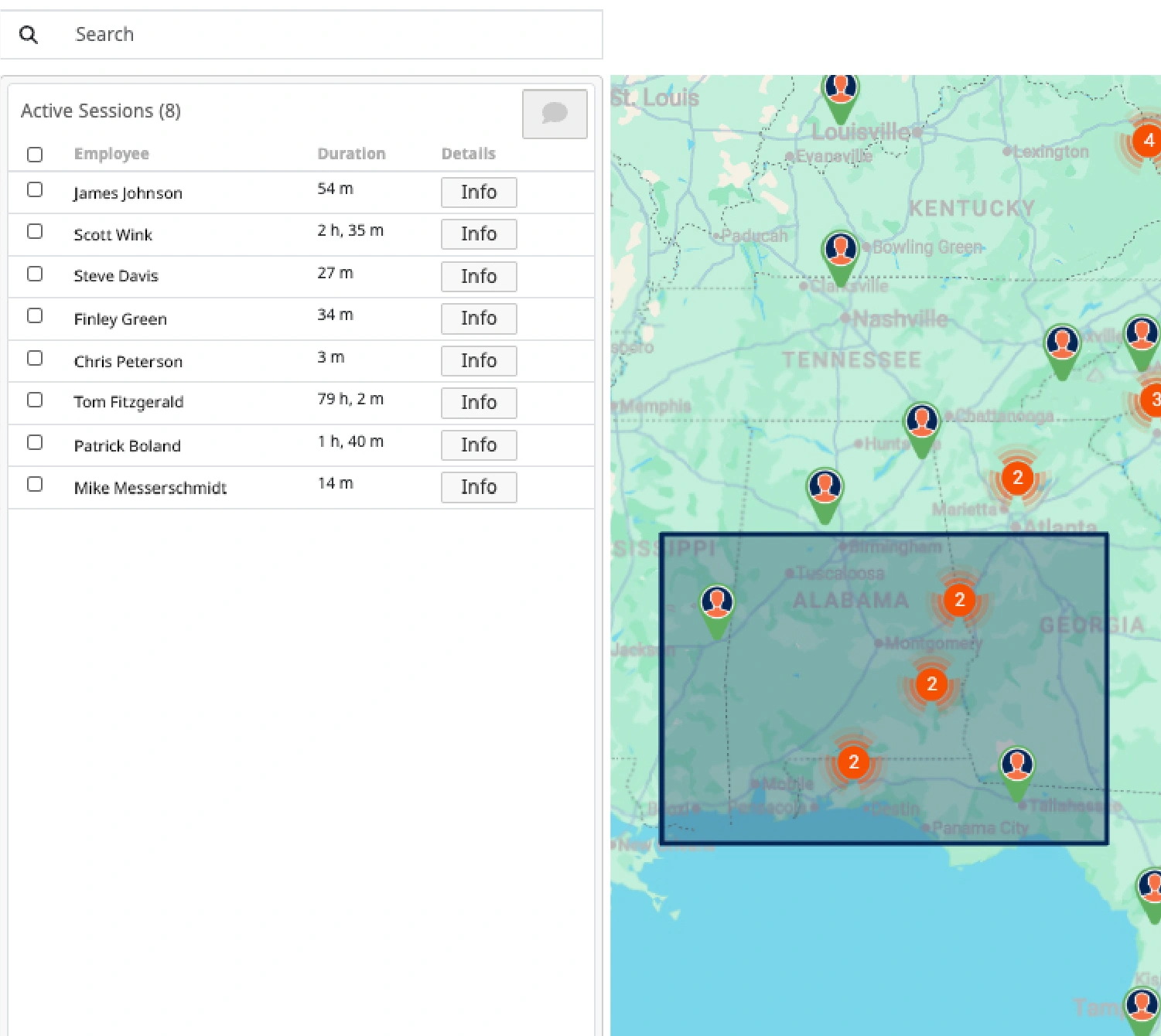
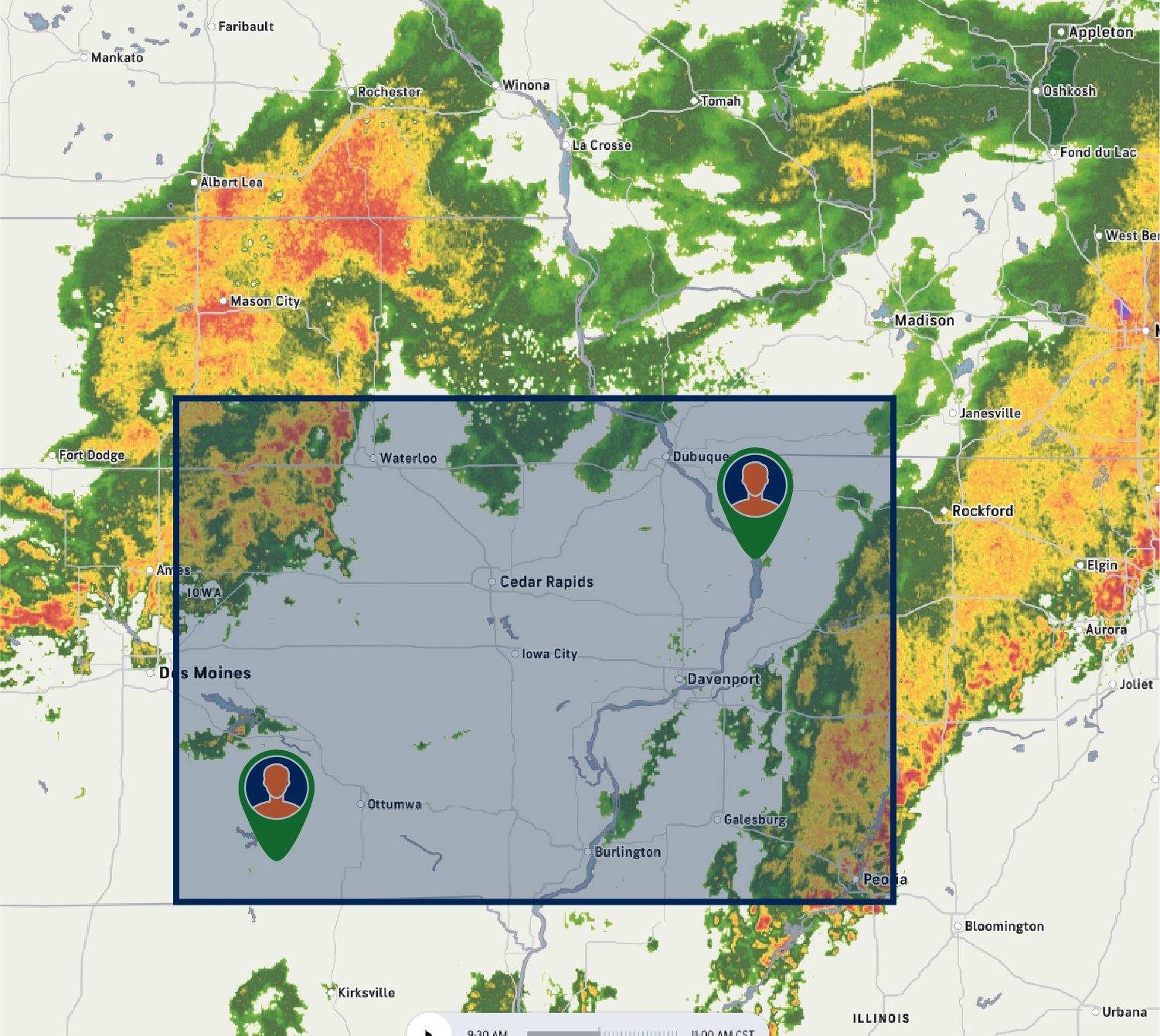
Supervisors can see active field employees on a live map, tracking when they arrive, how long they have been on site —providing real-time location visibility beyond just the vehicle’s location.
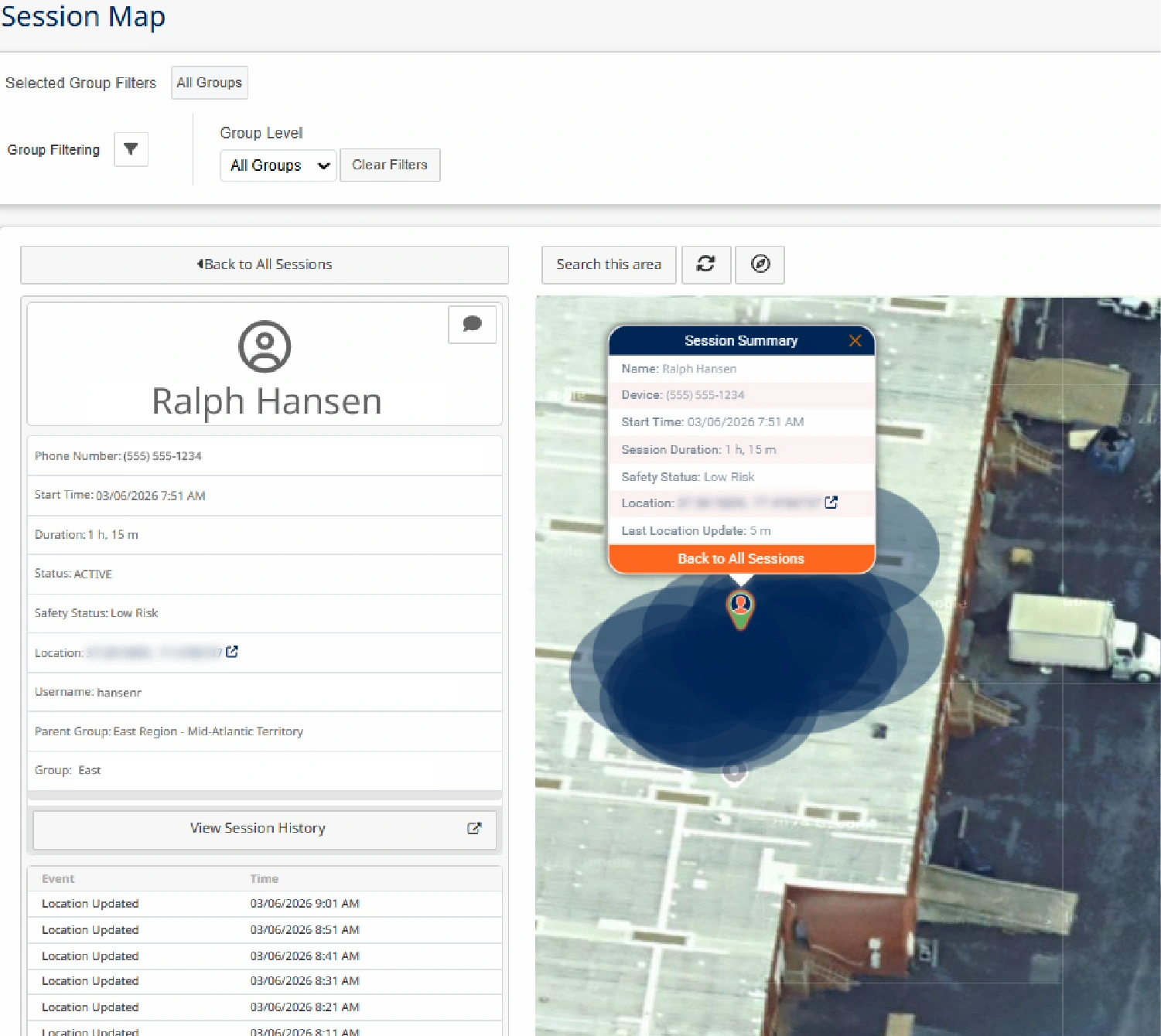
Supervisors can drill into jobsite session details, filter by employee, location, and time, and review historical worksite activity to validate proof of service and support operational metrics.
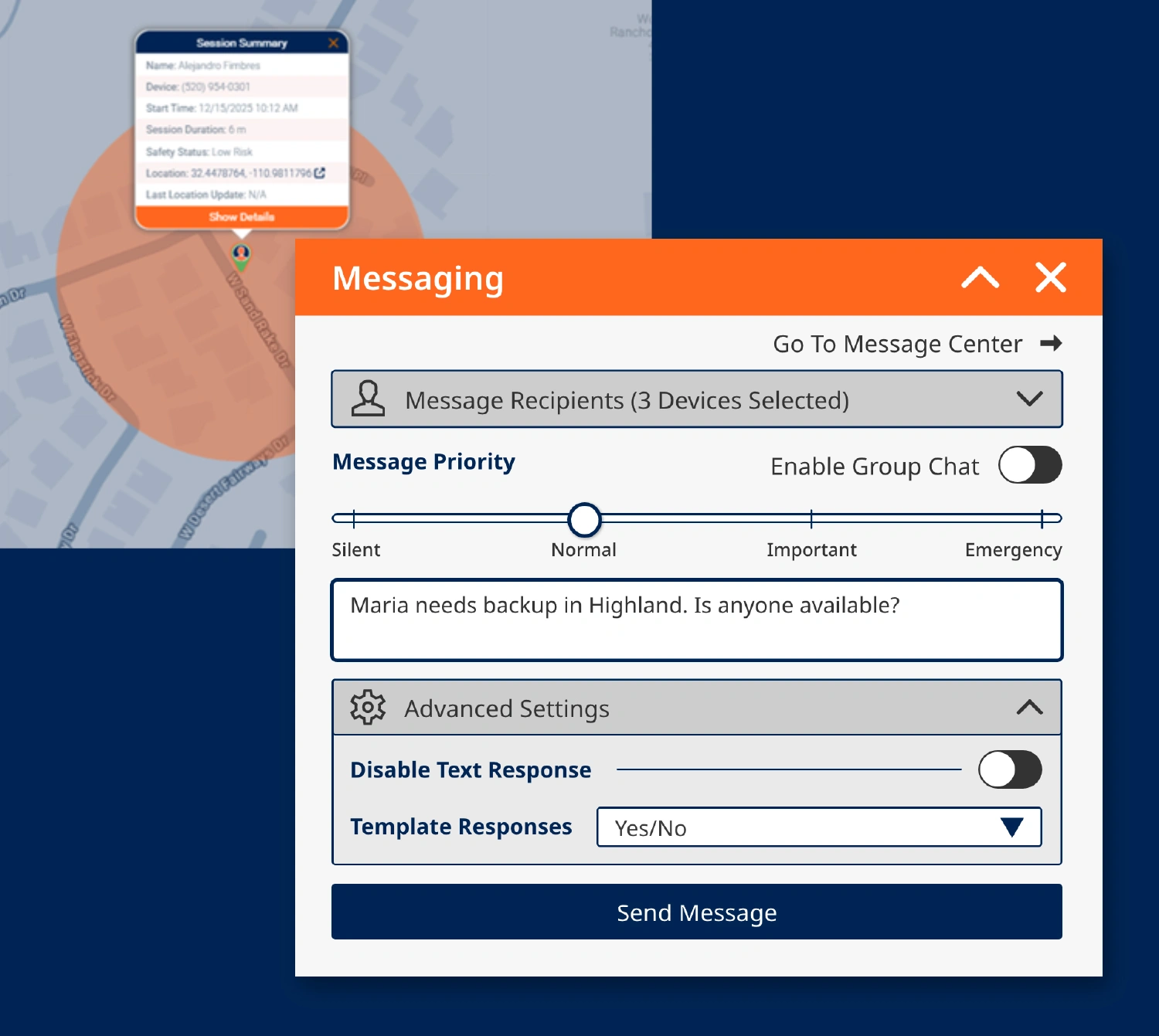
Supervisors can send individual or group messages anytime, controlling timing and recipients. Dashboards and logs track delivery, responses, and communication history for accountability.
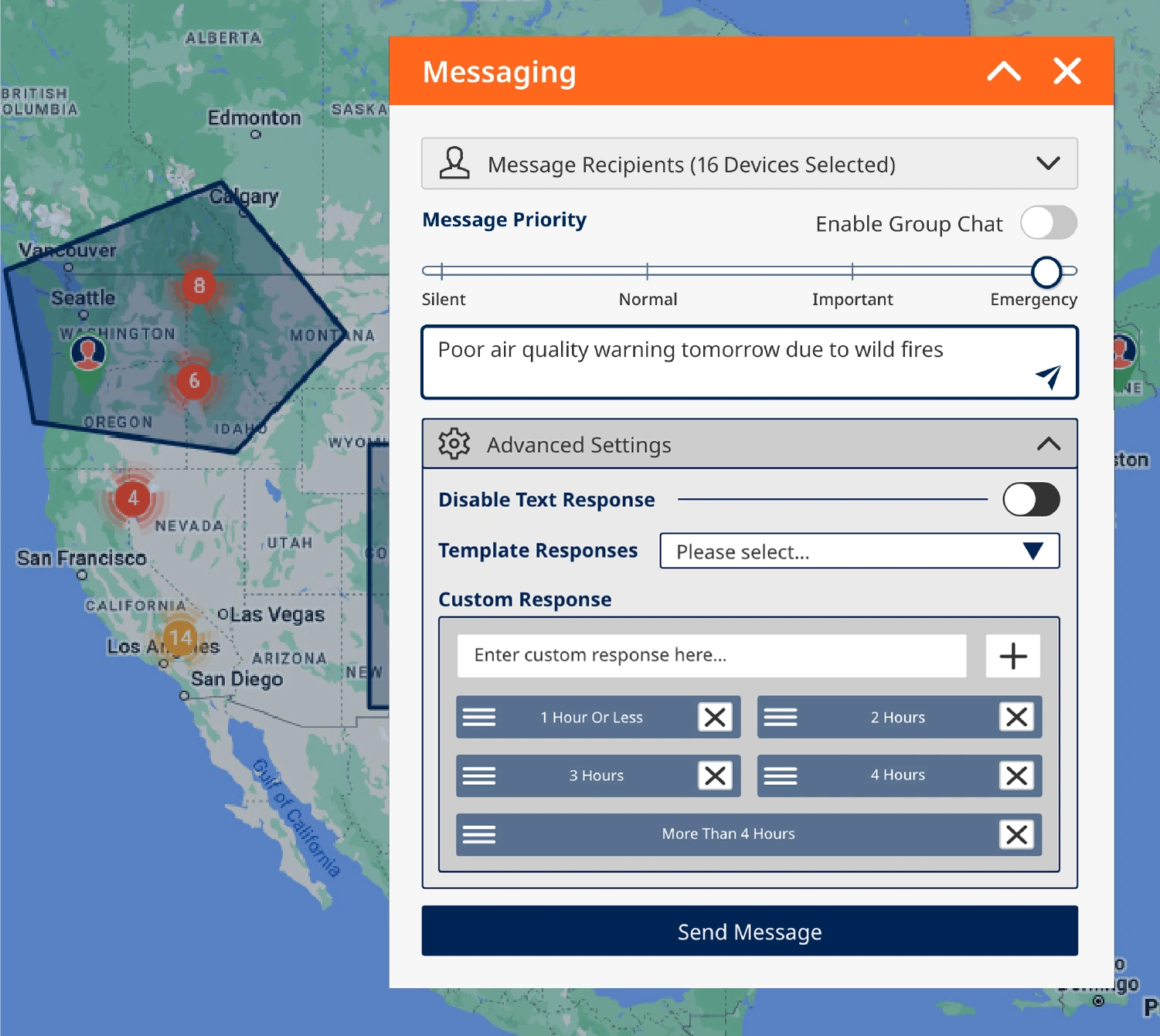
Create simple or complex polygon geofences to target individuals or groups. People inside the geofence receive location-based messages, ensuring the right message reaches the right audience.
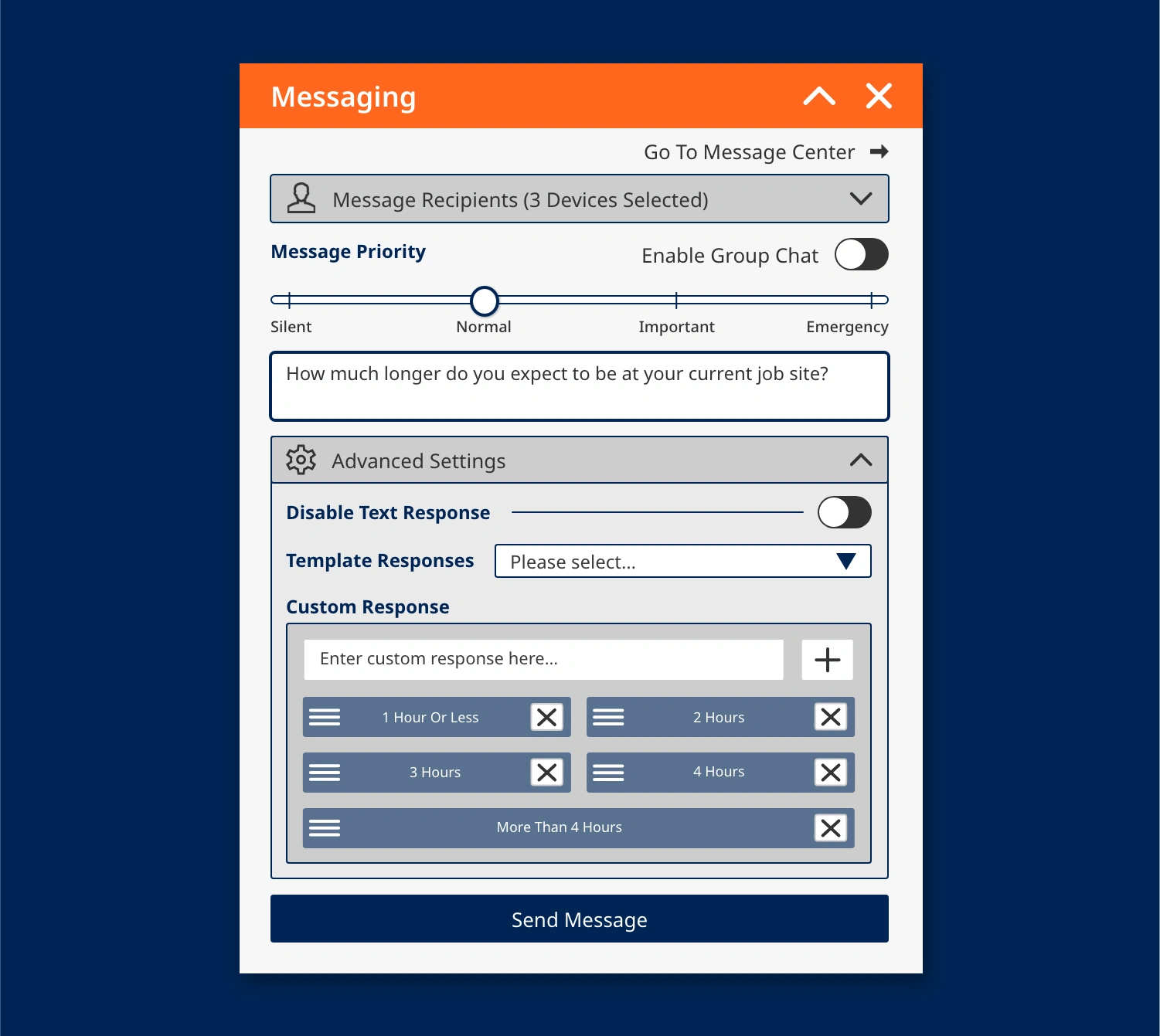
Create tailored alerts with priority delivery and defined response options to ensure critical messages are received. Custom settings keep teams informed, accountable, and responsive in real time.
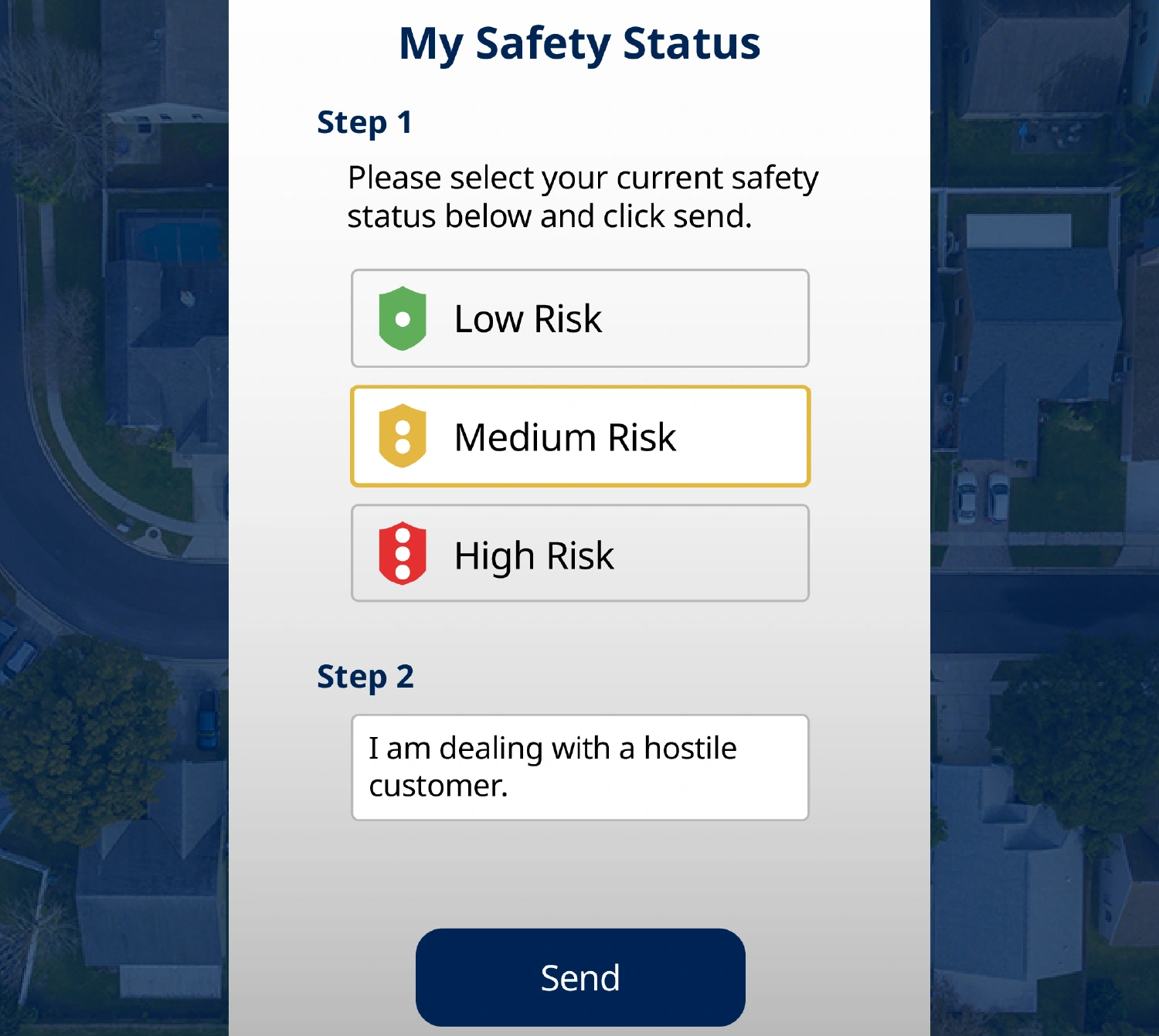
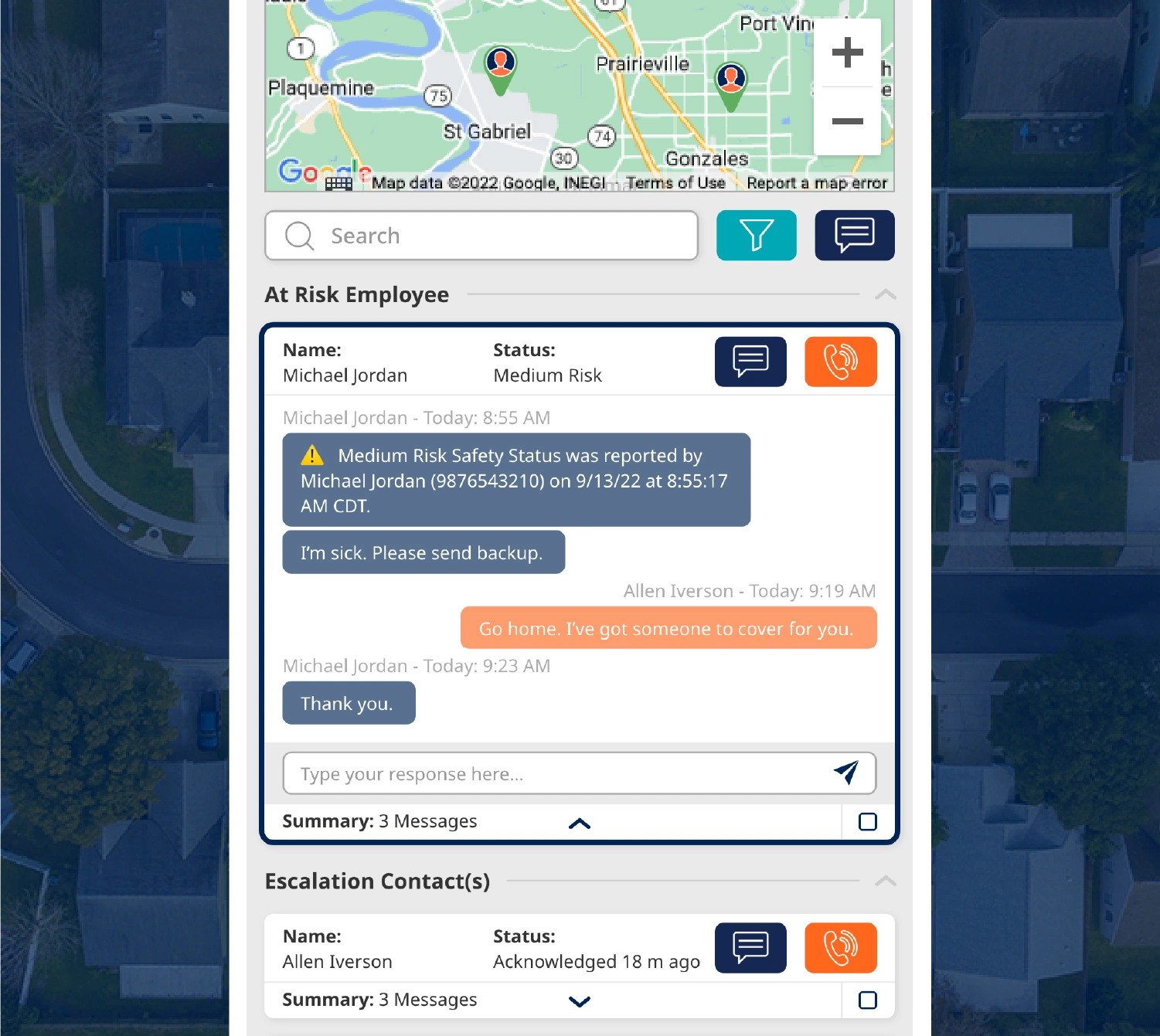
Employees can report jobsite or safety issues directly through the app, creating location-based incident context for faster individual or team response during incidents or requests.
Web and mobile tools centralize incident management workflows. On-call supervisors receive real-time escalations, assign actions, track responses, and maintain audit trails for accountability and compliance.
Workers receive real-time alerts and can initiate safety or operational escalations, including locating nearby coworkers. Periodic check-ins help ensure safety, accountability, and rapid response.
Kannon Cravey, Technical Manager
Romex Pest Control
Scott Moberly, Co-Owner
Ventura Pest Control
Adam Douglas, Director
Hulett Environmental Services
Leading American Pest Control Company
Vice President – Environment, Health & Safety, and Compliance
Nationwide Sales Fleet
Head of Health, Safety and Environment
3-year ROI
Payback period
Crash reduction
Insurance savings
Distractions blocked
Duty of care is the organizational responsibility to protect employees working alone or in high-risk environments, and Extend helps enforce safety workflows, risk awareness, and mobile policy control for field workers.
Employers must provide a reasonably safe workplace under regulations such as the standards enforced by Occupational Safety and Health Administration, and Extend supports compliance by enabling structured incident response and audit-ready activity records.
Yes, Extend extends duty of care beyond the vehicle trip with real-time worker visibility, location-based communication, and incident escalation. It supports critical event, mass notification, and crisis communication to keep teams safe and connected.
Yes, Structured incident management processes, data, and response documentation improves underwriting confidence, and TRUCE Extend provides audit trails, policy enforcement, and risk visibility for carrier discussions.
Yes, Incident data reveals risk patterns, unsafe locations, and behavior trends, and TRUCE Extend converts mobile activity and safety events into actionable workforce intelligence.
Manual check-ins are error-prone, and lack automatic event management, while TRUCE Extend provides automated alerts, centralized case incident management.
Traditional telematics focus on vehicle movement and location and terminate a trip end. Extend automatically transitions from driving to jobsite activity, maintaining real-time insight into a worker location and onsite location status, communication, and incident management solution.
No. The platform automatically recognizes arrival and departure events, eliminating manual onsite check-in and check-out workflows.
Organizations can analyze workforce activity sessions, validate service proof, support compliance documentation, and review operational performance.
Extend is designed for distributed field workforces including field service, utilities, construction, HVAC, Pest Control, Environmental Services, Landscaping, Roofing — every mobile operations where employee visibility, communication, and incident manager are critical while working onsite.
Stay connected and protected—extend safety, visibility, and communication beyond the vehicle trip today.